Please contact us for the best price of rubber wood FJL panels & Furniture made by Rubber wood - Email: alice.thaibinh1@gmail.com
HOUSING MATERIALS
Housing Materials by Rubber Wood: A Sustainable and Versatile Choice
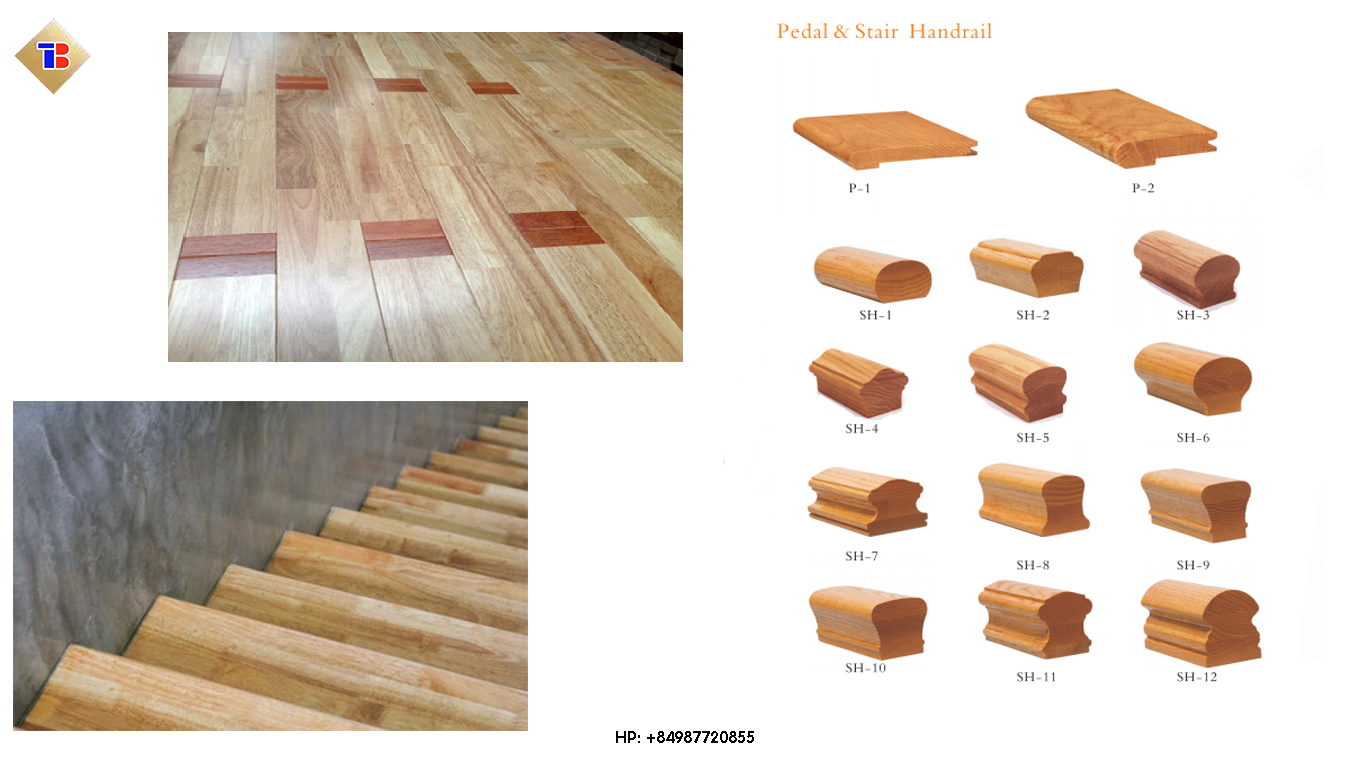
In today’s world, where sustainability and environmental consciousness are increasingly prioritized, the demand for eco-friendly housing materials is at an all-time high. Rubber wood, often referred to as “hevea wood,” has emerged as a standout option for homeowners, architects, and builders looking to combine functionality, aesthetic appeal, and environmental responsibility. This article delves into the properties, benefits, applications, and sustainability of rubber wood as a housing material, making it a compelling choice for modern construction projects.
What is Rubber Wood?
Rubber wood comes from the Pará rubber tree (Hevea brasiliensis), primarily cultivated in tropical regions for latex production. Once these trees reach the end of their latex-producing life cycle, typically around 25-30 years, they are harvested for their timber. This dual-purpose use minimizes waste, making rubber wood an environmentally friendly material.
Properties of Rubber Wood
Rubber wood is known for its unique set of properties that make it an excellent material for various housing applications:
- Durability:
- Rubber wood is a medium-density hardwood with good resistance to wear and tear, especially when treated properly. It is less prone to warping and cracking compared to many other hardwoods.
- Workability:
- The wood is easy to saw, carve, and shape, making it a favorite among carpenters and furniture makers.
- Aesthetic Appeal:
- Its light, golden-brown color and fine grain give rubber wood a sophisticated and versatile look, suitable for both contemporary and traditional designs.
- Sustainability:
- As a byproduct of the latex industry, rubber wood is an eco-friendly choice. Its use helps reduce deforestation by utilizing trees that would otherwise be discarded.
- Cost-Effective:
- Compared to other hardwoods, rubber wood is more affordable without compromising quality.
- Resistance to Pests:
- When treated, rubber wood becomes resistant to termites and other pests, enhancing its longevity.
Applications of Rubber Wood in Housing
Rubber wood’s versatility makes it suitable for a wide range of housing applications. Here are some of its most common uses:
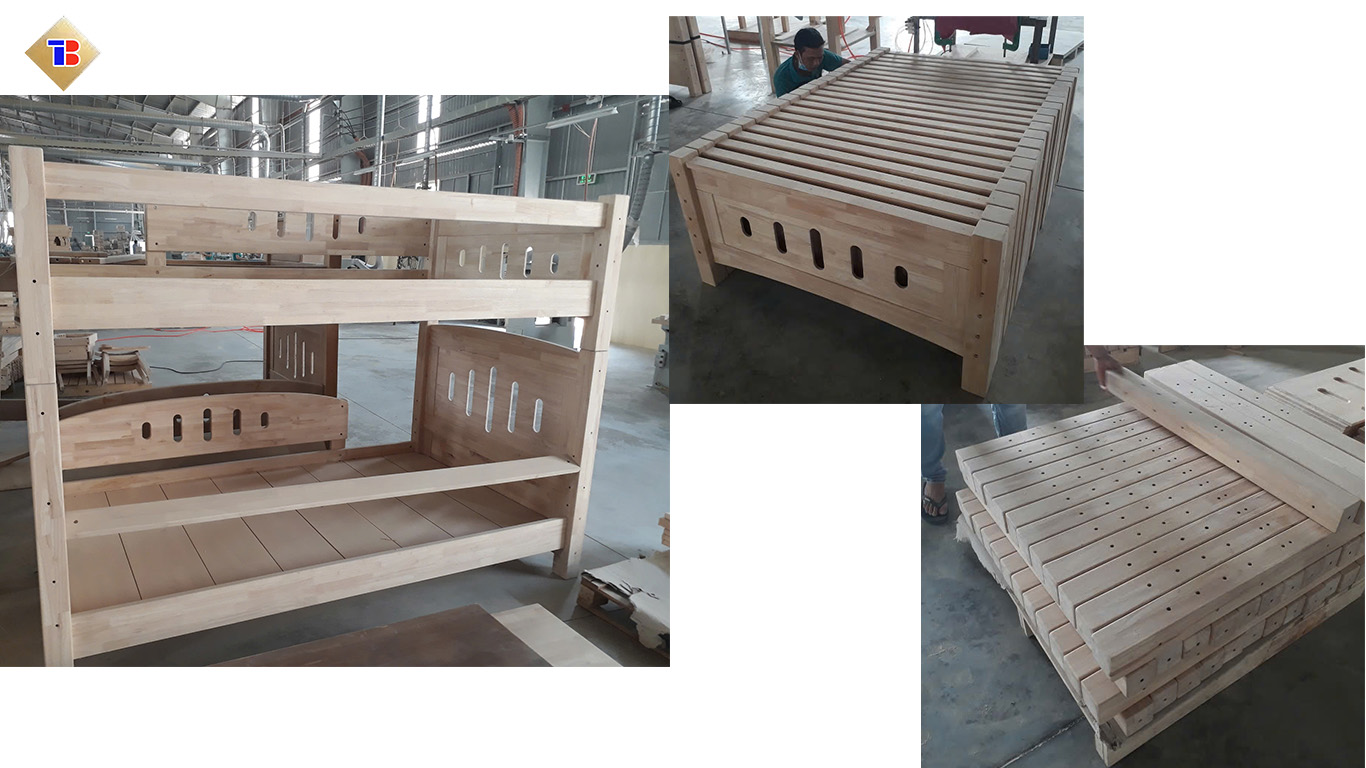
Rubber wood is widely used to create durable and aesthetically pleasing furniture, including tables, chairs, cabinets, and beds. Its smooth finish and ability to hold stains and paints make it a versatile option for various styles and designs.
- Flooring:
The dense and durable nature of rubber wood makes it an excellent choice for flooring. It offers a warm, natural appearance and can withstand heavy foot traffic when properly treated and maintained.
- Wall Paneling:
Rubber wood can be used for wall paneling to add warmth and texture to interiors. Its fine grain and ability to take finishes well make it a popular choice for creating accent walls and other decorative elements.
Its resistance to wear and ability to resist moisture (when treated) make rubber wood suitable for kitchen applications. Cabinets and countertops made from rubber wood are both functional and visually appealing.
- Doors and Windows:
Rubber wood is often used to craft doors, window frames, and sills. Its workability allows for intricate designs, and its durability ensures these elements can withstand daily use.
- Decorative Items:
Rubber wood is also used to create various decorative items, such as picture frames, moldings, and other accents, adding character to homes.

Sustainability of Rubber Wood
One of the most significant advantages of rubber wood is its sustainability. Unlike many other hardwoods, rubber wood comes from trees that have already served their primary purpose of latex production. Instead of being discarded, these trees are repurposed for timber, reducing waste and conserving resources. Additionally:
- Carbon Sequestration: Rubber plantations help absorb carbon dioxide during the trees’ growth phase, contributing to climate change mitigation.
- Recycling and Reuse: Rubber wood products can often be recycled or repurposed, further extending their lifecycle.
- Reduced Deforestation: The use of rubber wood reduces the demand for virgin hardwoods from natural forests, helping to preserve biodiversity.
Housing Materials by Rubber Wood in THAI BINH 1
TB 1 focuses on providing Housing materials by Rubber wood such as furniture components, furniture parts (or semi-products) in large quantities at competitive prices. Then customers can buy and use them faster in the next steps such as coating and assembling, packaging at their factory or workshop.
Semi-products made by Housing materials by Rubber wood:
Rubber wood is used to make a variety of semi products, including:
- Plywood
Rubber trees are harvested when they can no longer produce latex, and the wood is used to make plywood or boards like MDF and MFC.
- Pulp and paper
Rubberwood is suitable for the production of pulp and paper, and the fibers from trees of different ages can be used for this purpose.
- Rubber mixing
Rubber mixing can be produced to meet customer formulations, and can also be designed based on physical and chemical properties.
Furniture parts by Housing materials by Rubber wood:
Housing-materialsRubber wood is a versatile Housing Furniture parts with many uses, including:
- Furniture: Rubberwood is a popular choice for furniture due to its strength and aesthetic appeal. It can be used for chairs, stools, benches, tables, and bed legs.
- Flooring: Rubberwood can be used for flooring in the construction industry.
- Kitchen tools: Rubberwood can be used to make wooden kitchen tools like cutting boards, knife blocks, and trays.
- Crafts, toys, and musical instruments: Rubberwood can be used for crafts, toys, and musical instruments.
- Sustainable packaging and renewable energy products: Rubberwood’s eco-friendly nature makes it a good choice for sustainable packaging and renewable energy products.

Furniture parts are the individual components that make up a piece of furniture, such as the legs, tabletops, arms, and backs.
Our customers such as furniture factories, workshops or construction contractors can use our rubber wood furniture parts to combine in their products such as: door frames, chair parts, table tops, table legs, bed legs, cabinet legs, bed slats,…
TB 1 can also offer many different quality options to help customers classify more easily and have more competitive prices, suitable for the coating colours they need. Thereby helping customers save on labour costs and production time.
- Grading quality: AA, AB, AC, BC, BB
- Sizes & shape: As per drawing
In addition, we also produce components for wooden products used in construction projects such as: door frames, wooden floors,…