
Please contact us for the best price of rubber wood FJL panels & Furniture made by Rubber wood - Email: alice.thaibinh1@gmail.com
PROFILING
Wooden Profiling by rubber wood from Vietnam
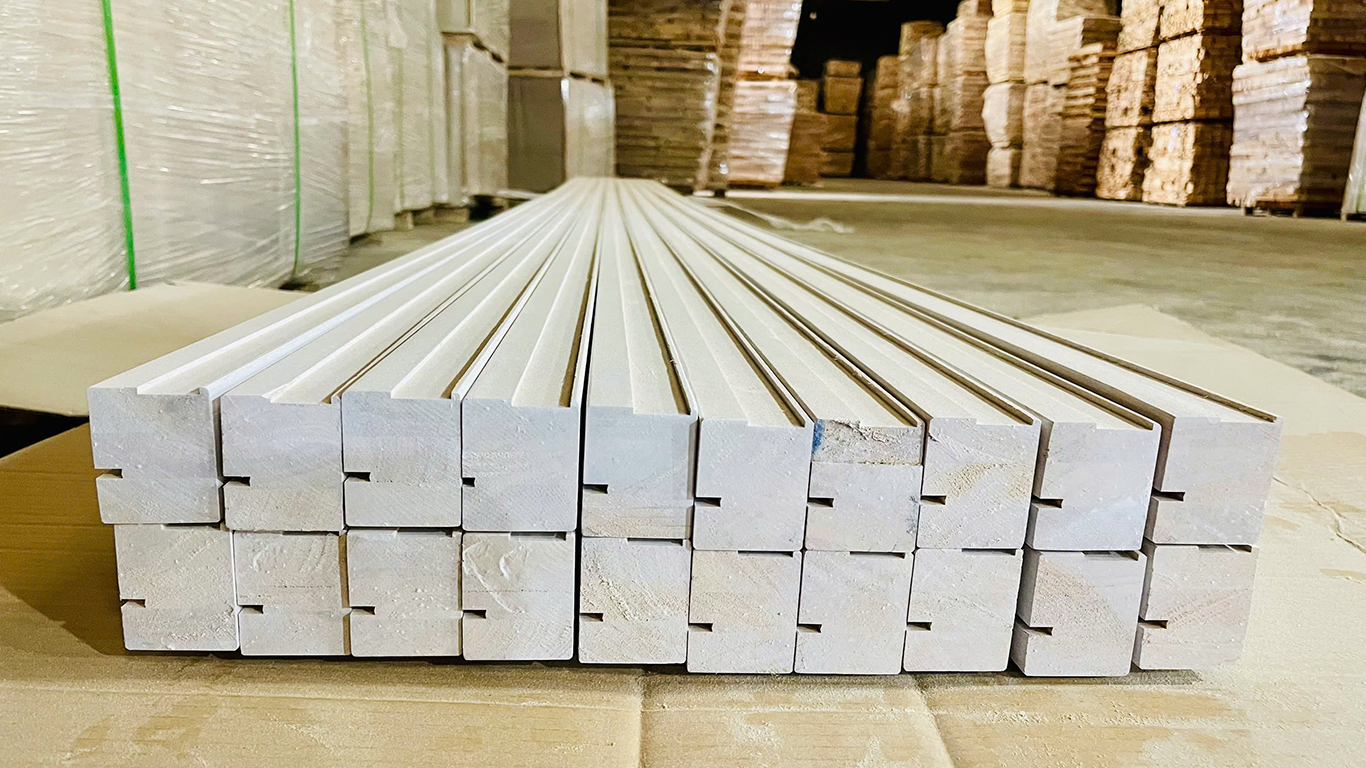
Wooden Profiling is an extremely important step for the final products to get the wanted precision, especially for DIY products.
Profiling Rubber Wood: Characteristics, Uses, and Sustainability
Rubber wood, often referred to as plantation hardwood, has gained prominence as a sustainable and versatile material in various industries. Sourced from the Hevea brasiliensis tree, rubber wood is primarily a by-product of the latex industry, making it an eco-friendly alternative to conventional hardwoods. This comprehensive guide delves into the characteristics, applications, and environmental benefits of rubber wood, catering to both professionals and enthusiasts looking to explore its potential.
Characteristics of Rubber Wood
1. Durability and Strength
Rubber wood is moderately durable, offering good strength-to-weight ratio properties. It is classified as a medium-density hardwood with a density ranging from 560 to 640 kg/m³. This makes it suitable for crafting furniture, flooring, and other structural applications.
2. Appearance
The natural color of rubber wood ranges from pale cream to light yellowish-brown, which can be stained or finished to mimic other hardwood species. Its uniform texture and straight grain add to its aesthetic appeal.
3. Workability
Rubber wood is easy to work with, whether sawing, drilling, or sanding. It responds well to various adhesives and finishes, ensuring a polished and refined final product.
4. Resistance to Pests
Treated rubber wood exhibits resistance to insects and fungal attacks. However, untreated rubber wood is susceptible, necessitating proper seasoning and chemical treatments for enhanced longevity.
Applications of Rubber Wood

1. Furniture Production
One of the most common uses of rubber wood is in furniture manufacturing. Its affordability, ease of processing, and ability to take on finishes make it ideal for crafting tables, chairs, cabinets, and bed frames.
2. Flooring and Paneling
Rubber wood’s durability and aesthetic appeal have made it a preferred choice for flooring and wall paneling. It provides a warm and natural look, enhancing the ambiance of residential and commercial spaces.
3. Toys and Decorative Items
Thanks to its non-toxic nature and smooth finish, rubber wood is often used in making toys, kitchen utensils, and decorative items. Its ability to hold intricate carvings adds to its value in the craft industry.
4. Veneers and Plywood
Rubber wood is widely used in the production of veneers and plywood. Its uniform grain ensures a consistent finish, making it a reliable material for layered wood products.
5. Biomass and Energy Production
As an end-of-life product, rubber wood is also utilized as a biomass fuel. It serves as a renewable energy source, further emphasizing its sustainability.
Challenges and Solutions in Using Rubber Wood
1. Moisture Content
Rubber wood has a high moisture content, which can lead to warping and cracking. Proper kiln drying and seasoning are essential to overcome this issue.
2. Susceptibility to Pests
Untreated rubber wood is vulnerable to termites and fungi. Applying chemical treatments and finishes ensures its durability and longevity.
3. Transportation and Logistics
Transporting rubber wood from plantations to processing facilities can be challenging due to its weight. Optimizing supply chains and using local resources can address these logistical concerns.
Best Practices for Working with Rubber Wood
1. Seasoning and Drying
To prevent warping, rubber wood should be kiln-dried to reduce its moisture content to the recommended level.
2. Finishing
Applying sealants and finishes not only enhances the appearance of rubber wood but also protects it from environmental factors and pests.
3. Proper Maintenance
Regular cleaning and periodic reapplication of finishes can prolong the lifespan of rubber wood products.
Global Market Trends for Rubber Wood
1. Increasing Demand for Sustainable Materials
As sustainability becomes a priority, the demand for rubber wood continues to rise. Its eco-friendly profile aligns with consumer preferences for green products.
2. Expansion of Furniture and Interior Design Markets
Rubber wood’s versatility and affordability have positioned it as a popular choice in the global furniture and interior design sectors.
3. Innovations in Treatment and Processing
Advancements in chemical treatments and machining technologies have improved the durability and aesthetic versatility of rubber wood, boosting its market appeal.
4. Emerging Markets
Countries in Asia, Africa, and South America are exploring rubber wood as a viable export product, fostering economic growth in rubber-producing regions.
Conclusion
Rubber wood stands out as a practical, versatile, and sustainable material with applications spanning furniture, construction, and energy production. By leveraging its characteristics and addressing challenges through modern technologies, industries can harness the full potential of this eco-friendly resource. As global demand for sustainable materials grows, rubber wood is poised to play an increasingly vital role in promoting environmental conservation and economic development.
Future Outlook for Rubber Wood
The future of rubber wood appears promising, driven by innovation, environmental awareness, and market expansion. Research and development into improved treatment methods and enhanced durability will likely open new avenues for its use. Moreover, as global policies increasingly prioritize sustainability, rubber wood’s role in reducing environmental impact and supporting circular economies will solidify its status as a cornerstone material in the green revolution.
Governments and industries must collaborate to promote rubber wood’s benefits through education, incentives, and the development of sustainable supply chains. With concerted efforts, rubber wood can continue to contribute to a more sustainable and economically viable future.
Wooden Profiling is one of the most important steps in woodworking.
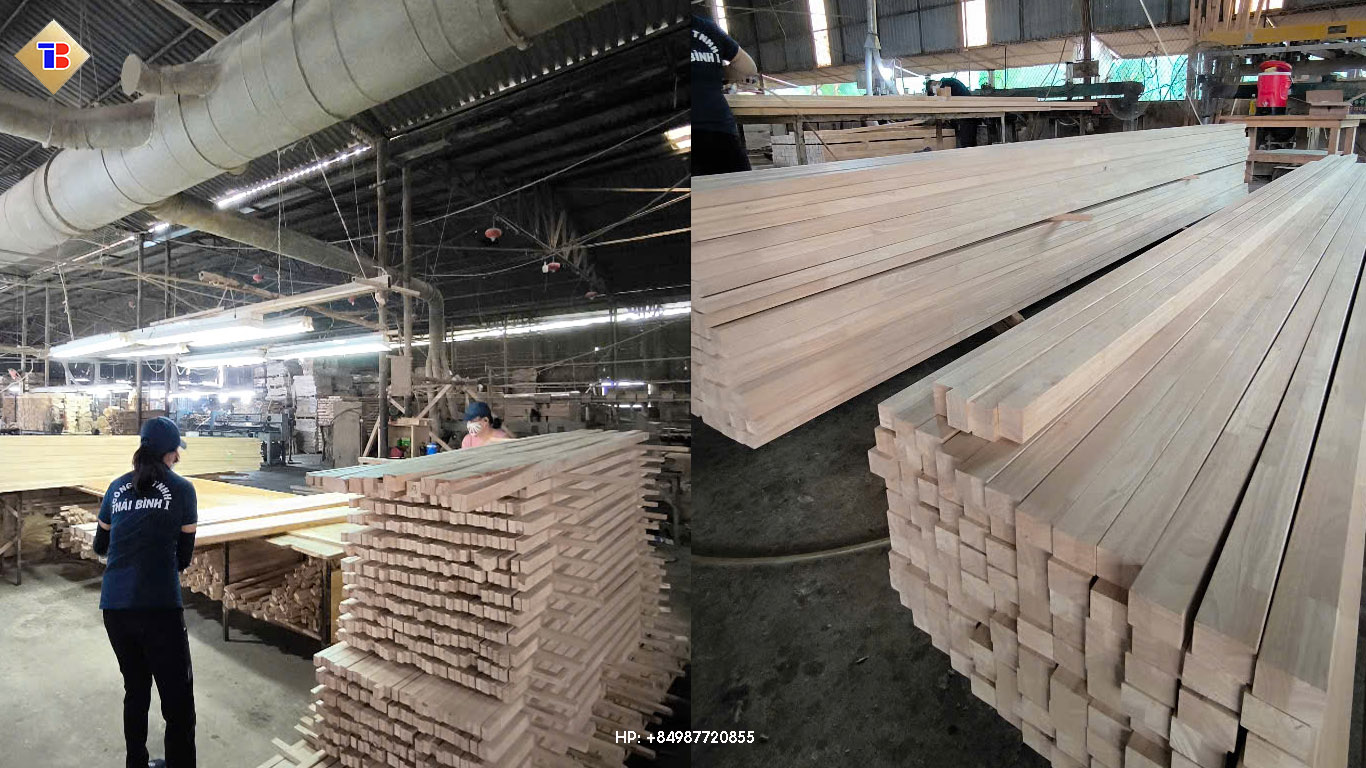
Both housing materials and furniture need accurate profiling parts for beautiful final products. Wood is a natural material and many technical problems may occur during the wood profiling process. The core of successful wood profiling is to have the wood parts are accurately straightened and the angles need to be right after being processed. In order to avoid potential technical errors, it relies heavily on workers’ skills and factory’s management. THAI BINH 1 is very strong at this process thanks to our skilled workers, high technology factory and experienced management system.

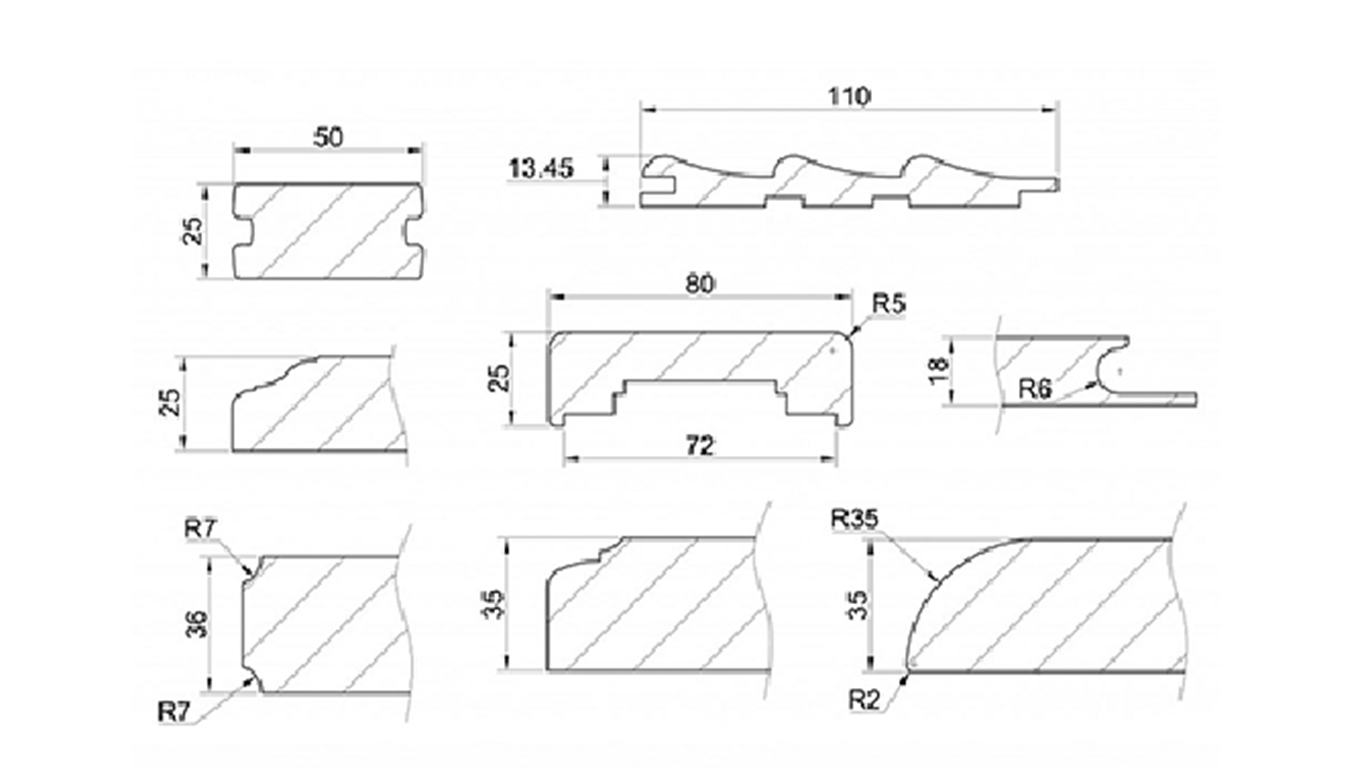
In addition, Wooden Profiling products have a broad range of difficult shapes.
This job not only requires high skills but also the commitment in woodworking jobs of all employees. THAI BINH 1 has a very strong team who hunger for learning and trying new things. On top of that, THAI BINH 1 highly invests in modern technology to increase the accuracy of profiling. New machines that are more accurate and efficient, have been installed into THAI BINH 1 production line in order to increase product quality for many types of profiling such as bevel, chamfer, grooving, molding, drilling, etc.
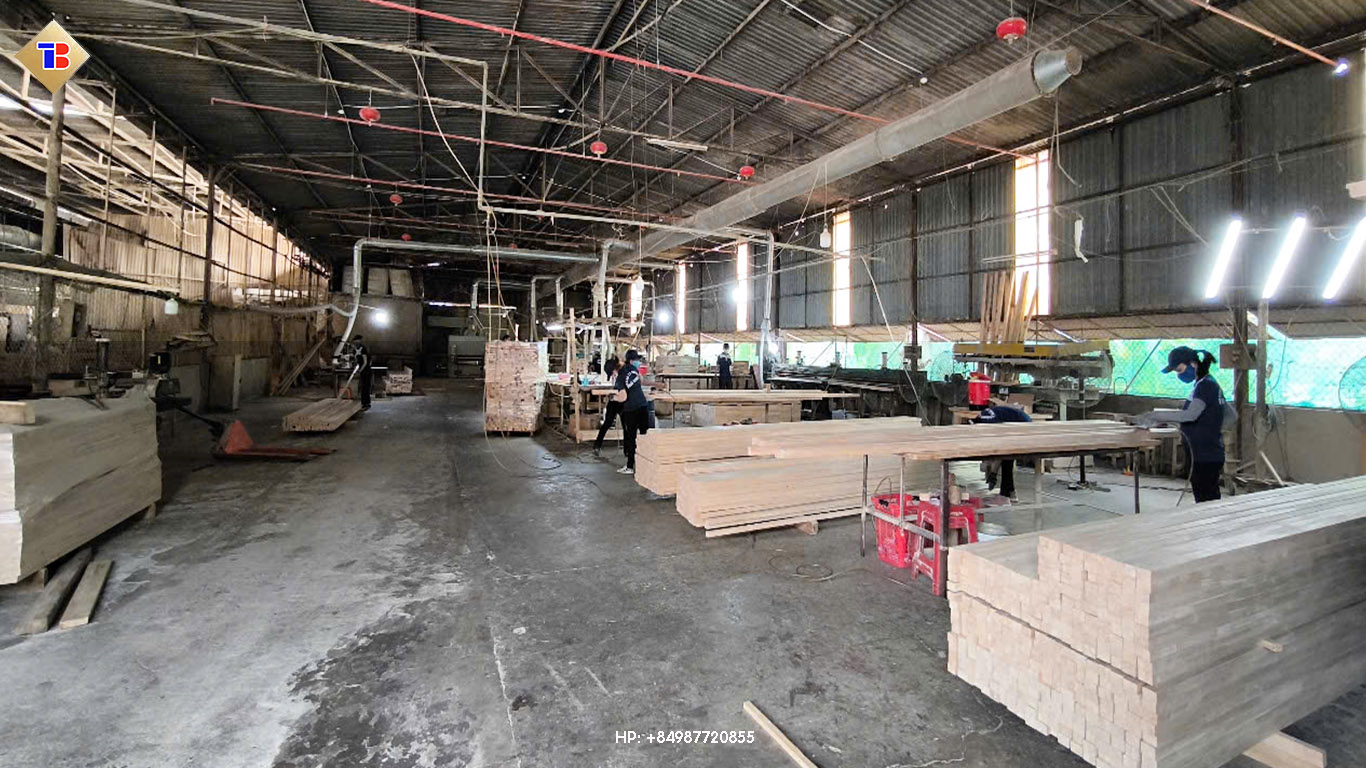
As a result, we are proud to announce our quality: high profile precision (the tolerance accuracy is up to +-0.5mm), excellent surface quality (qualifying Japanese and European standard). Just give our designing team your drawing or ideas or design criteria, then we come up with the final drawing which developed to final products. Our engineers are proficient in using CNC machine, router … Moreover, they are experts in utilizing either Finger Jointed Board or Solid to profile into not only beautiful shape but also strong wooden structure.
XEM THEM: FJL BOARDS
Wesite liên kết www.thaibinh1.com