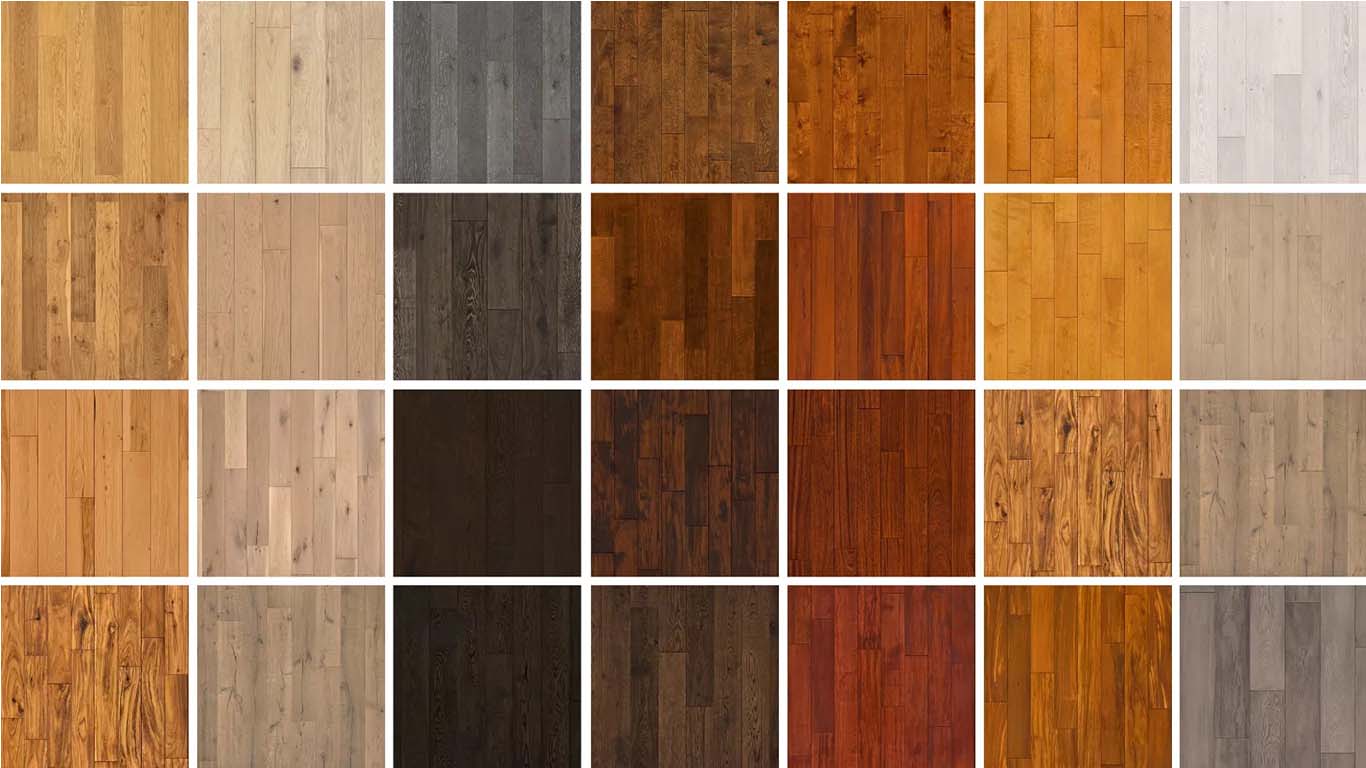
Wooden flooring adds timeless elegance and value to your home. However, it requires proper care and maintenance to preserve its beauty and extend its lifespan. Whether you have hardwood, engineered wood, or laminate flooring, protecting it from daily wear and tear is essential. This guide will walk you through practical steps to protect your wooden flooring and ensure it remains in excellent condition for years to come.
1. Use Mats and Rugs
One of the simplest ways to protect your wooden flooring is by using mats and rugs in high-traffic areas such as entryways, hallways, and living rooms. These act as barriers against dirt, debris, and moisture that can scratch or stain the surface.
- Entrance Mats: Place mats at all exterior doors to trap dirt and grit before they can reach your floors.
- Rugs: Use area rugs in spaces prone to heavy use, such as under dining tables or near sofas. Opt for rugs with non-slip backing to avoid accidents.
2. Regular Cleaning
Keeping your wooden floors clean is crucial for maintaining their appearance and durability. Follow these cleaning tips:
- Daily Sweeping: Use a soft-bristle broom or a microfiber dust mop to remove dust and debris.
- Vacuuming: Use a vacuum cleaner with a hardwood floor setting to pick up fine particles without scratching the surface.
- Damp Mopping: Occasionally use a slightly damp mop with a hardwood floor cleaner. Avoid excessive water as it can cause warping or discoloration.
3. Protect Against Furniture Damage
Furniture can leave dents, scratches, and other marks on wooden floors. Prevent this by:
- Furniture Pads: Attach felt pads to the legs of chairs, tables, and other furniture. Replace them periodically as they wear down.
- Furniture Coasters: Use coasters under heavy furniture to distribute weight evenly and prevent indentation.
- Repositioning: Avoid dragging furniture across the floor. Instead, lift and move it carefully.
4. Maintain a Stable Indoor Environment
Wood is a natural material that expands and contracts with changes in temperature and humidity. To minimize this:
- Humidity Levels: Maintain indoor humidity between 30-50% using a humidifier or dehumidifier.
- Temperature Control: Avoid extreme temperature fluctuations by using air conditioning or heating.
- Ventilation: Ensure proper ventilation to reduce moisture build-up, which can cause wood to swell.
5. Use Floor Protectors
High heels, pet claws, and heavy objects can damage wooden flooring. Protect your floors by:
- Shoe Removal: Encourage family and guests to remove shoes before walking on wooden floors.
- Pet Grooming: Keep your pet’s nails trimmed to prevent scratches.
- Protective Covers: Use protective coverings when moving heavy objects or during renovation projects.
6. Apply Protective Finishes
Protective finishes add a layer of defense to your wooden flooring. Here are the main types:
- Polyurethane Coating: Provides a durable, glossy finish that resists scratches and stains.
- Oil Finishes: Penetrates the wood for a natural look while offering protection.
- Waxing: Adds a protective layer, but requires periodic reapplication.
Consult a professional to determine the best finish for your specific flooring type.
7. Prevent Sun Damage
Prolonged exposure to sunlight can cause wooden floors to fade and discolor. Protect them by:
- Window Treatments: Use curtains, blinds, or UV-blocking window films to limit sunlight exposure.
- Rearranging Furniture: Rotate rugs and furniture periodically to prevent uneven fading.
- UV-Protective Finishes: Apply finishes that protect against UV rays.
8. Handle Spills Immediately
Spills can lead to stains and water damage if not addressed promptly. Follow these steps:
- Blotting: Use a soft cloth to blot spills immediately. Avoid rubbing as it can spread the stain.
- Cleaning Solution: Use a hardwood-safe cleaner for stubborn stains. Test it on an inconspicuous area first.
- Drying: Ensure the area is completely dry to prevent moisture-related damage.
9. Routine Inspections and Maintenance
Regular inspections help identify potential issues early. Inspect your flooring for:
- Scratches and Scuffs: Use touch-up kits or wood fillers to repair minor imperfections.
- Loose Planks: Re-secure any loose boards to prevent further damage.
- Refinishing Needs: Over time, your floor may require sanding and refinishing to restore its original beauty.
10. Avoid Harsh Chemicals
Certain cleaning products can damage wooden flooring. Steer clear of:
- Ammonia-Based Cleaners: These can dull the finish.
- Abrasive Scrubbers: Avoid steel wool and other abrasive materials.
- Wax on Polyurethane Finishes: Using wax can create a cloudy appearance and make refinishing difficult.
11. Seasonal Care Tips
Different seasons bring unique challenges for wooden flooring. Here’s how to adapt:
- Winter: Use a humidifier to combat dryness caused by heating systems.
- Summer: Keep windows closed during humid weather and use air conditioning to maintain stable humidity levels.
- Rainy Seasons: Place extra mats near entryways to absorb moisture and prevent water damage.
12. Invest in Professional Care
Periodic professional maintenance can extend the life of your wooden flooring. Services to consider include:
- Deep Cleaning: Professional cleaners can remove built-up grime that regular cleaning might miss.
- Sanding and Refinishing: Sanding removes surface imperfections, and refinishing adds a fresh protective layer.
- Repairs: Professionals can address more significant issues like deep scratches, gaps, or water damage.
Final Thoughts
Protecting wooden flooring requires consistent effort and attention to detail. By following these tips, you can preserve the beauty and functionality of your floors for decades. Remember, prevention is always better than repair, so take proactive measures to safeguard your investment. With the right care, your wooden flooring will continue to be a stunning feature in your home.