
Wooden furniture has been a cornerstone of interior design and home decor for centuries. Its timeless appeal, durability, and versatility make it a popular choice for homeowners worldwide. However, as sustainability and cost-effectiveness become increasingly important in purchasing decisions, many people are left wondering: Should you use wooden furniture? This guide delves into the pros and cons of wooden furniture, its environmental impact, and tips for selecting the best pieces for your home.
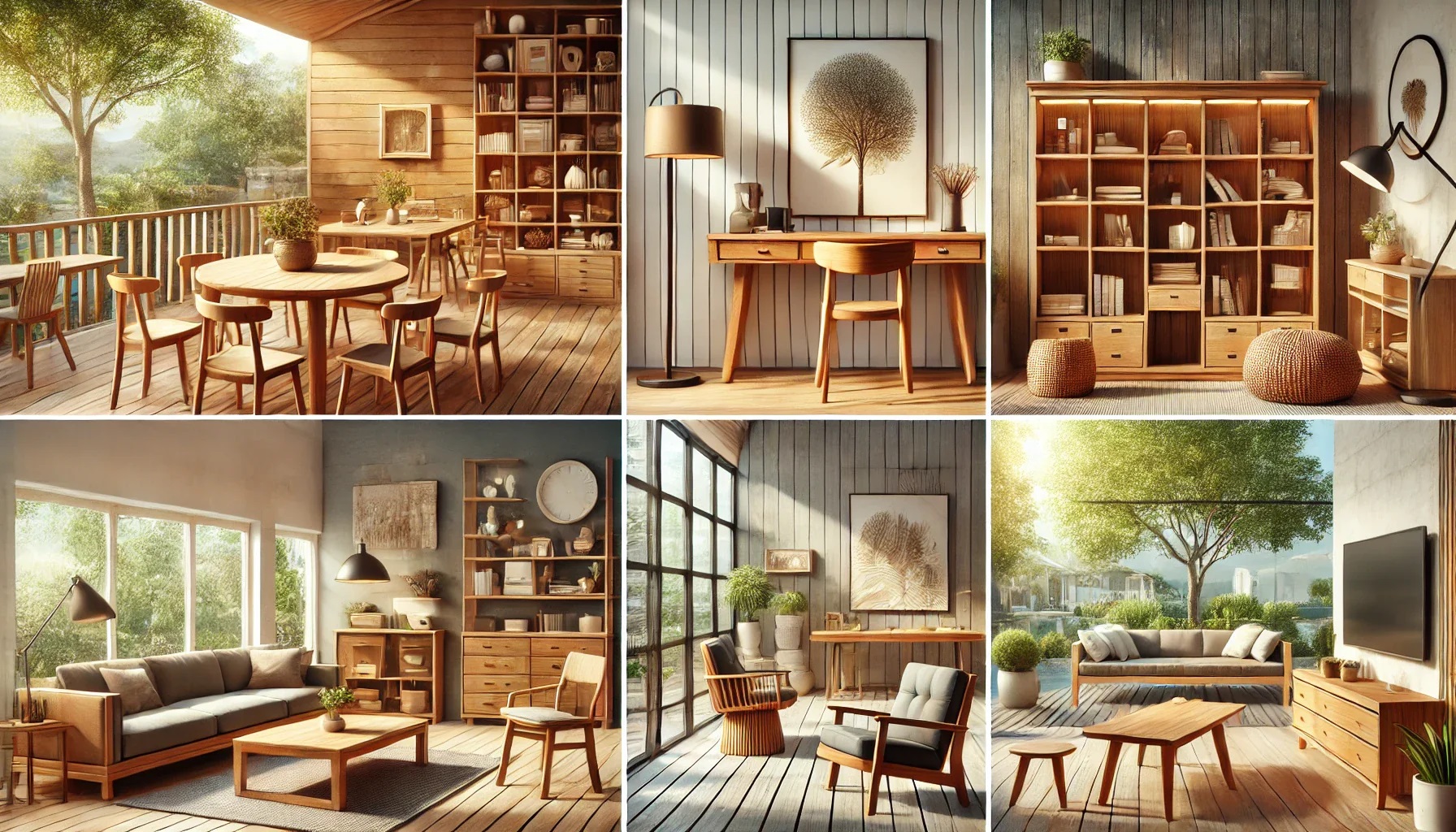
1. Timeless Aesthetic Appeal
Wooden furniture’s classic and elegant appearance is one of its biggest selling points. Whether you prefer modern minimalism or traditional charm, wood offers styles to suit every taste.
- Natural Beauty: Each piece of wooden furniture is unique due to the natural grain patterns, colors, and textures of the wood.
- Versatility: Wooden furniture can complement various design styles, from rustic to contemporary.
- Customization: Many types of wood can be stained, painted, or carved, allowing for endless customization options.
2. Durability and Longevity
One of the standout benefits of wooden furniture is its durability. High-quality wooden pieces can last for decades or even generations with proper care.
- Hardwood Strength: Woods like oak, mahogany, and teak are incredibly robust, resisting wear and tear.
- Repairable: Unlike many synthetic materials, wood can be sanded, refinished, and repaired to restore its original beauty.
- A Long-Term Investment: While wooden furniture may cost more upfront, its longevity often makes it a cost-effective choice in the long run.
3. Sustainability and Environmental Impact
Choosing wooden furniture can be an environmentally friendly decision, provided it’s sourced responsibly. Here’s why:
- Renewable Resource: Wood is a natural, renewable material. Sustainable forestry practices ensure trees are replanted to maintain ecological balance.
- Biodegradability: Unlike synthetic materials, wood decomposes naturally, reducing waste.
- Carbon Storage: Trees absorb carbon dioxide during growth, and this carbon remains stored in the wood, helping mitigate climate change.
To ensure sustainability:
- Look for furniture certified by organizations like the Forest Stewardship Council (FSC).
- Choose reclaimed or recycled wood pieces to reduce the demand for new timber.
4. Health Benefits of Wooden Furniture
Wooden furniture offers several health advantages, especially compared to synthetic alternatives.
- Non-Toxic: Solid wood furniture typically contains fewer harmful chemicals than materials like particleboard or plastic.
- Natural Insulator: Wood provides excellent thermal and acoustic insulation, creating a cozy and quiet home environment.
- Air Quality: Wood doesn’t release harmful volatile organic compounds (VOCs), making it a healthier choice for indoor air quality.
5. Variety of Wood Types
The type of wood used in furniture can significantly affect its appearance, durability, and cost. Here are some popular options:
- Hardwoods:
- Oak: Known for its strength and prominent grain patterns.
- Mahogany: A premium wood with a rich, reddish-brown color.
- Walnut: Dark, dense, and ideal for intricate carvings.
- Softwoods:
- Pine: Affordable and lightweight, with a pale appearance.
- Cedar: Naturally aromatic and resistant to insects.
- Exotic Woods: Bamboo, teak, and rosewood are highly durable and often used for luxury furniture.
6. Cost Considerations
While wooden furniture can be more expensive than alternatives like plastic or metal, its benefits often justify the cost.
- Initial Investment: High-quality wooden furniture may cost more upfront.
- Long-Term Value: Its durability means fewer replacements, making it a better value over time.
- Budget Options: Engineered woods like plywood or MDF offer the look of wood at a lower price point.
7. Maintenance and Care
To keep wooden furniture looking its best, regular maintenance is essential:
- Cleaning: Dust regularly with a soft, damp cloth. Avoid abrasive cleaners that can damage the finish.
- Polishing: Use a quality furniture polish or wax to maintain shine and protect the surface.
- Avoid Moisture: Keep wooden furniture away from excessive humidity or direct water exposure to prevent warping and cracking.
- Placement: Avoid direct sunlight to prevent fading and use coasters or placemats to prevent stains.
8. Suitability for Various Spaces Should You Use Wooden Furniture
Wooden furniture is versatile and suitable for almost every area of your home:
- Living Room: Wooden coffee tables, bookshelves, and TV stands provide a warm, inviting feel.
- Dining Room: Wooden dining tables and chairs create a classic and sturdy centerpiece.
- Bedroom: Wooden bed frames and nightstands add a sense of coziness.
- Office: Wooden desks and shelves offer a professional and durable workspace.
9. Potential Drawbacks of Wooden Furniture
While wooden furniture offers many advantages, it’s not without potential downsides:
- Cost: High-quality wood can be expensive.
- Weight: Solid wood furniture is often heavy, making it difficult to move.
- Maintenance: Regular care is required to prevent damage from moisture, sunlight, and wear.
- Susceptibility to Damage: Wood can scratch, dent, or warp if not properly maintained.
10. Comparing Wooden Furniture to Alternatives
To decide if wooden furniture is right for you, consider how it compares to other materials:
- Metal: Durable and modern but lacks the warmth and natural feel of wood.
- Plastic: Lightweight and affordable but less durable and environmentally friendly.
- Glass: Stylish and easy to clean but fragile and less versatile.
11. Wooden Furniture Trends
Stay on top of current trends to make your wooden furniture choices both stylish and timeless:
- Mid-Century Modern: Clean lines and functional designs made from natural wood.
- Reclaimed Wood: Eco-friendly and full of character.
- Mixed Materials: Combining wood with metal or glass for a contemporary look.
- Minimalist Designs: Simple, unadorned wooden furniture that emphasizes natural beauty.
Final Thoughts
Wooden furniture remains a top choice for homeowners seeking durability, beauty, and versatility. While it requires an initial investment and regular maintenance, the benefits far outweigh the drawbacks. When sourced sustainably, wooden furniture is not only an elegant addition to your home but also an environmentally responsible choice.
By understanding the types of wood, maintenance requirements, and current trends, you can make informed decisions that enhance your living space and stand the test of time. Whether you’re furnishing a cozy apartment or a spacious home, wooden furniture offers unparalleled charm and functionality.