
Rubberwood, often overlooked in the realm of hardwoods, has steadily gained recognition as a sustainable and versatile material for furniture making. Originating from the Hevea brasiliensis tree, primarily grown in tropical regions for latex production, rubberwood has found a second life in the furniture industry. This article explores why rubberwood is an excellent choice for indoor and outdoor furniture, its unique properties, and how to maintain its durability over time.
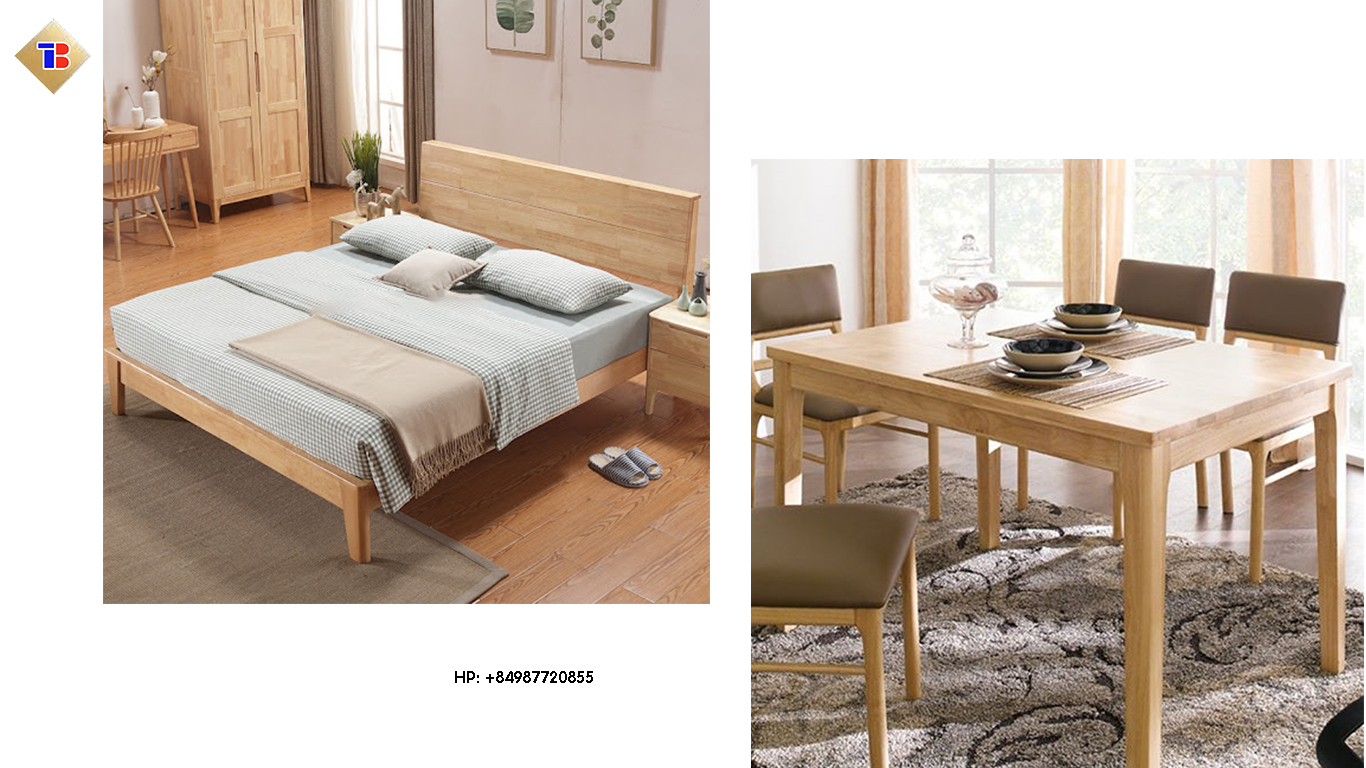
What is Rubberwood?
Rubberwood, also known as parawood or plantation hardwood, is derived from mature rubber trees that no longer produce latex efficiently. Instead of discarding these trees, they are harvested for their timber, making rubberwood an eco-friendly option. This dual-purpose use reduces waste and promotes sustainability, aligning with the growing demand for environmentally conscious materials.
Properties of Rubberwood
Rubberwood possesses several characteristics that make it a popular choice for furniture:
- Durability: Despite its moderate density, rubberwood is highly durable and resistant to everyday wear and tear, making it suitable for both indoor and outdoor use.
- Workability: Rubberwood is easy to cut, shape, and finish, which allows furniture makers to create intricate designs and high-quality products.
- Aesthetic Appeal: The light-colored wood features a fine, uniform texture and subtle grain patterns that can be stained or painted to match various styles and décor.
- Affordability: Compared to other hardwoods like oak or teak, rubberwood is more affordable, offering excellent value for money without compromising quality.
- Eco-Friendliness: As a byproduct of the latex industry, rubberwood minimizes deforestation and maximizes resource efficiency.
Rubberwood for Indoor Furniture
Rubberwood’s characteristics make it particularly suitable for indoor furniture. Here are some reasons why it excels in this setting:
- Resistance to Scratches and Dents
Rubberwood has a moderate hardness that resists scratches and dents from everyday use. This makes it an excellent material for items like dining tables, chairs, and cabinets that experience frequent interaction.
- Easy Maintenance
Maintaining rubberwood furniture is straightforward. A simple wipe with a damp cloth and occasional polishing keeps it looking new. Its resistance to moisture also means less warping or cracking over time.
- Adaptability to Styles
Rubberwood’s light color and smooth grain allow it to be stained or painted in various finishes. From modern minimalist designs to rustic or vintage styles, rubberwood furniture seamlessly fits into any interior aesthetic.
- Health and Safety
Rubberwood is naturally resistant to mold and pests, ensuring a healthier indoor environment. Additionally, its low formaldehyde emissions meet international safety standards, making it a safe choice for homes.
Popular Indoor Furniture Made from Rubberwood
- Dining tables and chairs
- Coffee tables
- Bookcases and shelves
- Bed frames
- Desks and office furniture
Rubberwood for Outdoor Furniture
While rubberwood is primarily known for indoor use, it can also be adapted for outdoor furniture with proper treatment and care. Here’s why it works:
- Weather Resistance
Rubberwood can be treated with weather-resistant finishes, such as polyurethane or marine varnish, to withstand moisture, UV rays, and temperature fluctuations. These treatments create a protective barrier that enhances its durability outdoors.
- Eco-Conscious Choice
Using rubberwood for outdoor furniture is a sustainable alternative to other tropical hardwoods like teak, which are often harvested from endangered forests. This choice contributes to preserving biodiversity.
- Versatile Designs
From garden benches to patio dining sets, rubberwood offers a range of design possibilities. Its light color can be enhanced with stains or paints to complement outdoor settings.
- Maintenance Tips for Outdoor Use
To prolong the life of rubberwood furniture outdoors:
- Apply a weather-resistant finish annually.
- Avoid prolonged exposure to direct sunlight and heavy rain.
- Use protective covers when not in use.
- Clean regularly to prevent dirt buildup and maintain appearance.
Popular Outdoor Furniture Made from Rubberwood
- Patio dining sets
- Garden benches
- Lounge chairs
- Picnic tables
- Outdoor storage units
Comparison with Other Woods
Rubberwood competes with several other hardwoods, each with its pros and cons. Here’s how it stacks up:
- Rubberwood vs. Teak
- Durability: Teak is naturally more resistant to outdoor elements, but treated rubberwood performs well in similar conditions.
- Cost: Rubberwood is significantly more affordable than teak.
- Eco-Friendliness: Rubberwood’s use as a latex byproduct makes it a more sustainable option.
- Rubberwood vs. Oak
- Appearance: Oak features a more pronounced grain, while rubberwood offers a smoother, subtler look.
- Workability: Rubberwood is easier to shape and finish compared to oak.
- Cost: Rubberwood is more budget-friendly.
- Rubberwood vs. Pine
- Durability: Rubberwood is harder and more durable than pine.
- Aesthetics: Both woods can be stained, but rubberwood’s uniform grain makes it more versatile.
- Environmental Impact: Rubberwood’s sustainable sourcing gives it an edge over pine, which is often plantation-grown but requires significant land use.
Caring for Rubberwood Furniture
Proper care is essential to ensure the longevity of rubberwood furniture, especially when used outdoors. Here are some tips:
- Regular Cleaning
Wipe surfaces with a damp cloth to remove dust and debris. Avoid using abrasive cleaners that could damage the finish.
- Protective Finishes
For outdoor use, apply a water-resistant sealant or varnish annually. For indoor pieces, periodic polishing helps maintain their shine.
- Avoid Extreme Conditions
Protect rubberwood furniture from excessive moisture, direct sunlight, and temperature fluctuations to prevent warping or cracking.
- Repair Minor Damage
For scratches or dents, lightly sand the affected area and reapply stain or paint as needed.
Conclusion
Rubberwood’s sustainability, affordability, and versatility make it an excellent choice for both indoor and outdoor furniture. With proper care and maintenance, it offers durability and aesthetic appeal that rivals more expensive hardwoods. By choosing rubberwood, you’re not only investing in high-quality furniture but also supporting eco-friendly practices that benefit the planet.
Whether you’re furnishing a cozy indoor space or designing an inviting outdoor retreat, rubberwood provides the perfect balance of functionality, style, and sustainability. Explore the possibilities with this remarkable material and transform your living spaces with timeless pieces that stand the test of time.