Rubberwood, derived from the rubber tree (Hevea brasiliensis), is an increasingly popular material in furniture and home decor. Known for its eco-friendliness, affordability, and versatility, rubberwood offers numerous benefits that make it a top choice for consumers and manufacturers alike. In this guide, we delve into the advantages of using rubberwood, highlighting its sustainability, durability, and aesthetic appeal.
1. Eco-Friendly and Sustainable Material
One of the most significant benefits of rubberwood is its environmental sustainability. Here’s why:
- Recycled Resource: Rubberwood is harvested from rubber trees at the end of their latex-producing life cycle, typically after 20-30 years. Instead of being discarded, these trees are repurposed, reducing waste.
- Renewable Source: Rubber trees are replanted after harvesting, ensuring a continuous supply.
- Reduced Carbon Footprint: By utilizing trees that would otherwise be burned or left to decay, rubberwood minimizes carbon emissions and contributes to sustainable forestry practices.
- Certifications: Many rubberwood products are certified by organizations like the Forest Stewardship Council (FSC), ensuring responsible sourcing.
2. Durability and Strength
Rubberwood is often chosen for its robustness and long-lasting properties:
- Hardness: Despite being classified as a hardwood, rubberwood has a medium-density composition, making it resistant to daily wear and tear.
- Shock Resistance: Its flexibility and resilience make rubberwood ideal for furniture and flooring that endure frequent use.
- Longevity: With proper care, rubberwood furniture can last for years without losing its integrity.
3. Affordable and Cost-Effective
Rubberwood offers excellent value for money:
- Budget-Friendly: Compared to premium hardwoods like oak or mahogany, rubberwood is more affordable while still providing similar durability and aesthetic appeal.
- Accessible Supply: The widespread cultivation of rubber trees ensures an ample and consistent supply, keeping costs low.
- Cost Efficiency: Its versatility allows it to be used for various applications, from furniture to small decorative items, maximizing its economic value.
4. Versatility in Applications
Rubberwood’s adaptable nature makes it suitable for numerous uses:
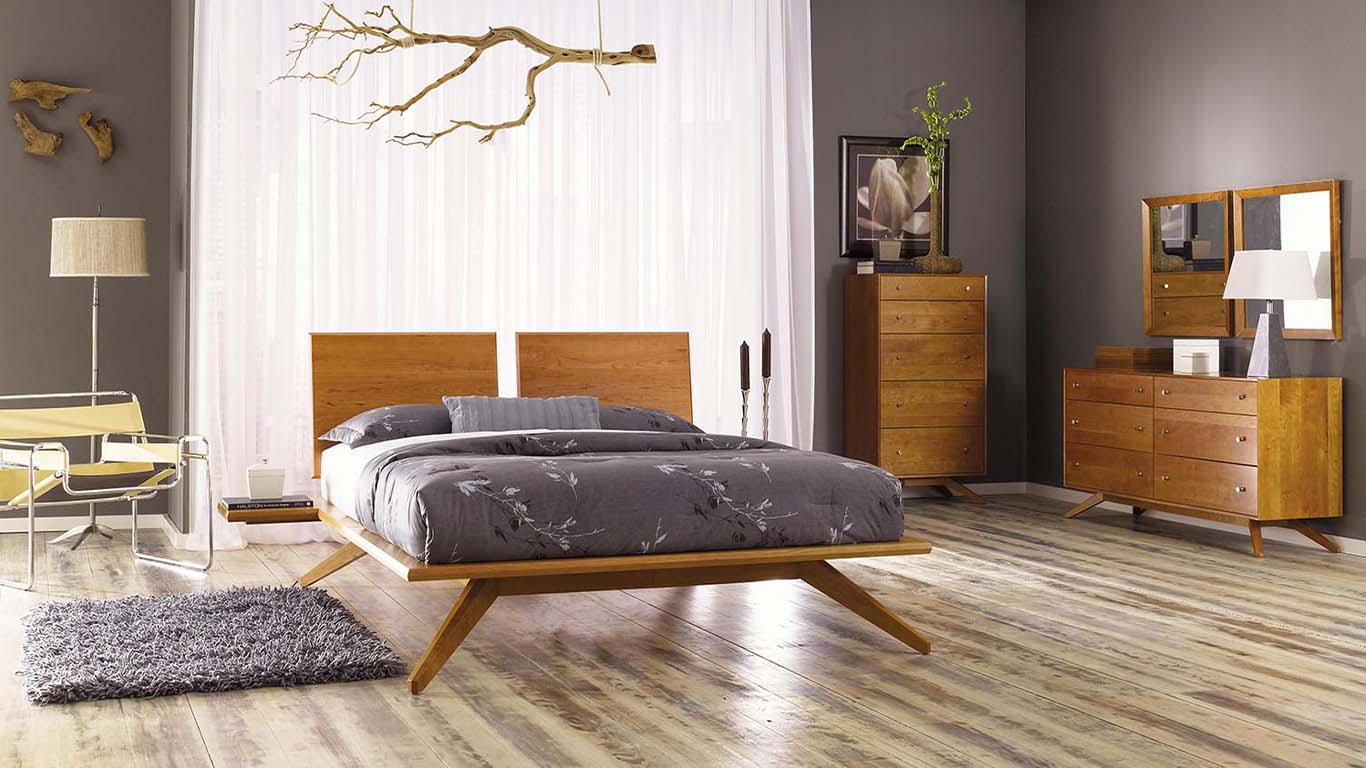
- Furniture: Commonly used for dining tables, chairs, beds, and cabinets due to its durability and attractive finish.
- Home Décor: Ideal for crafting decorative items like picture frames, shelves, and wall panels.
- Flooring: Its strength and shock resistance make it an excellent material for hardwood flooring.
- Toys and Kitchenware: Rubberwood’s non-toxic properties make it safe for use in children’s toys and cutting boards.
5. Aesthetic Appeal
Rubberwood is known for its pleasing appearance, which enhances the beauty of any space:
- Natural Grain: It features a subtle, straight grain pattern that provides a clean and elegant look.
- Color Variations: Typically light-colored, ranging from pale cream to golden yellow, rubberwood complements various interior design styles.
- Finish Compatibility: It takes stains, paints, and finishes well, allowing customization to match specific tastes.
6. Easy Maintenance
Rubberwood is relatively low-maintenance compared to other materials:
- Cleaning: A simple wipe with a damp cloth is usually enough to keep rubberwood surfaces clean.
- Resistant to Stains: When properly finished, it resists stains and spills, making it ideal for kitchen furniture.
- Pest Resistance: Rubberwood is treated to resist pests like termites, ensuring longevity.
7. Non-Toxic and Safe
Rubberwood is an excellent choice for households prioritizing health and safety:
- Chemical-Free: Rubberwood is naturally non-toxic, making it a safe option for homes with children or pets.
- Hypoallergenic: Its smooth surface and sealed finish reduce the accumulation of dust and allergens.
- Food-Safe: Rubberwood cutting boards and kitchenware are safe for food preparation, especially when treated with food-grade finishes.
8. Lightweight and Easy to Work With
Craftsmen and manufacturers appreciate rubberwood for its workability:
- Lightweight: Despite its strength, rubberwood is lighter than many other hardwoods, making it easier to handle and transport.
- Carvability: Its medium density allows for intricate designs and carvings, making it a favorite among artisans.
- Joinery: Rubberwood is compatible with various joinery techniques, ensuring solid and stable construction.
9. Resistance to Warping and Cracking
Rubberwood’s stable properties reduce the likelihood of warping or cracking:
- Moisture Resistance: Properly treated rubberwood resists moisture, making it less prone to swelling or shrinking.
- Dimensional Stability: Its consistent density ensures that rubberwood maintains its shape over time, even under varying environmental conditions.
10. Eco-Conscious Manufacturing Process
The production of rubberwood furniture and products aligns with environmentally friendly practices:
- Minimal Waste: Nearly every part of the rubber tree is utilized, including sawdust and offcuts, which are often repurposed for other products.
- Energy Efficiency: The processing of rubberwood requires less energy compared to synthetic materials, reducing the overall environmental impact.
- Byproducts: Latex extracted during the tree’s lifecycle is used for rubber production, further maximizing the tree’s utility.
11. Comparisons with Other Woods
Understanding how rubberwood stacks up against other popular woods helps clarify its advantages:
- Versus Oak: While oak is denser and more durable, rubberwood is more affordable and eco-friendly.
- Versus Pine: Rubberwood is harder and more durable than pine, making it a better option for high-traffic areas.
- Versus Teak: Although teak is more weather-resistant, rubberwood is significantly more cost-effective and sustainable.
12. Challenges and Solutions
Despite its benefits, rubberwood does have some challenges:
- Susceptibility to Moisture: Untreated rubberwood can absorb moisture. Solution: Ensure products are sealed and finished properly.
- Color Changes: Prolonged exposure to sunlight can cause fading. Solution: Use UV-resistant finishes or avoid direct sunlight exposure.
- Limited Outdoor Use: Rubberwood is not naturally weather-resistant. Solution: Use rubberwood indoors or apply specialized treatments for outdoor use.
Final Thoughts
Rubberwood is a versatile, eco-friendly, and cost-effective material with a wide range of applications. Its durability, aesthetic appeal, and sustainable origins make it an excellent choice for furniture, flooring, and home decor. By choosing rubberwood, you not only invest in quality products but also contribute to a more sustainable future.
Whether you’re furnishing your home, upgrading your kitchen, or looking for safe and stylish toys, rubberwood offers a practical and attractive solution. Its combination of affordability, strength, and environmental benefits makes it a material worth considering for any project.