
In recent years, the need to adopt sustainable practices in every aspect of life has become increasingly evident. One such area where sustainability can play a pivotal role is in furniture manufacturing. By choosing rubberwood furniture, not only can you enhance your living spaces, but you can also contribute to the preservation of our forests and the overall health of our planet. This article delves into the benefits of rubberwood furniture, its environmental impact, and how it aligns with the global efforts to protect our natural resources.
What Is Rubberwood?
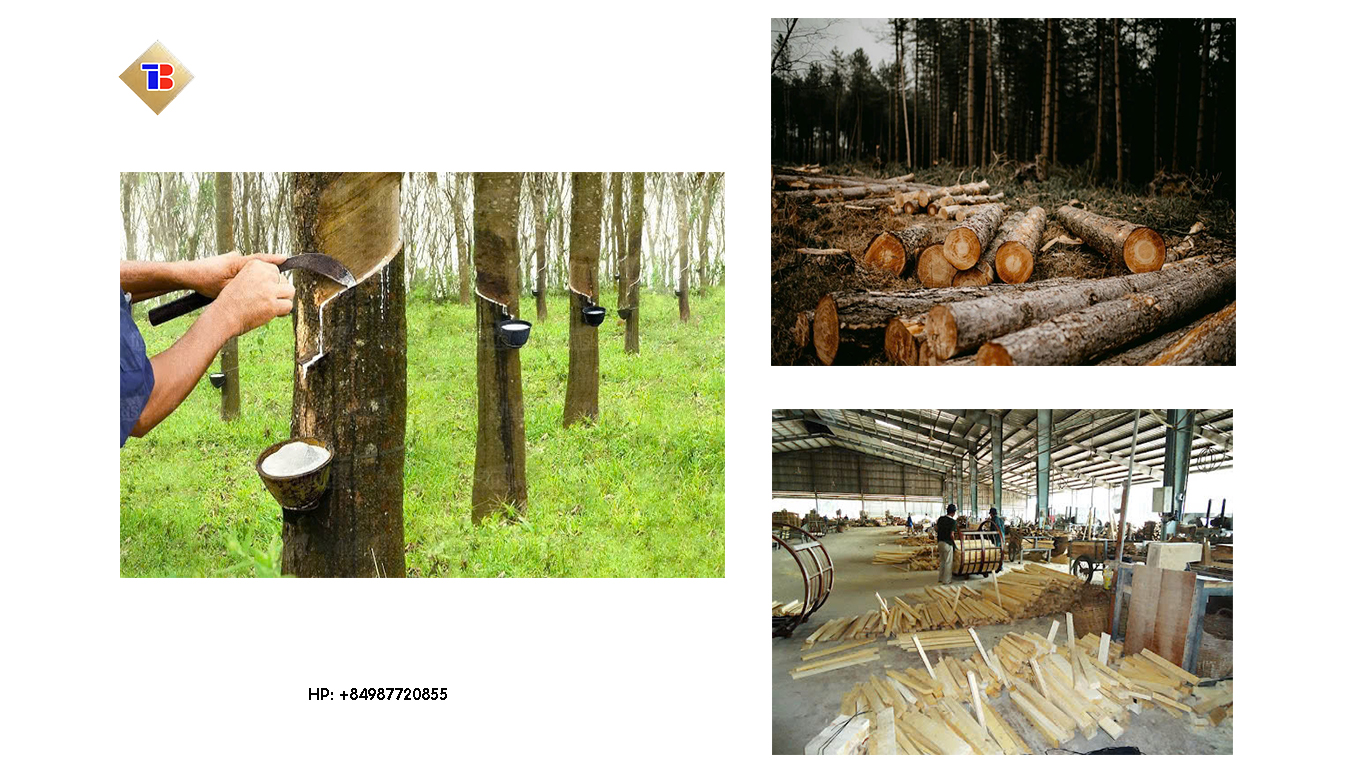
Rubberwood, often referred to as “parawood,” is derived from the Hevea brasiliensis tree, commonly known as the rubber tree. These trees are primarily cultivated for their latex, a key component in rubber production. Once the trees reach the end of their latex-producing lifespan, typically after 25-30 years, they are harvested for their wood. This process ensures that the tree’s lifecycle is fully utilized, reducing waste and the need to cut down other trees for timber.
Benefits of Using Rubberwood Furniture
- Sustainability Rubberwood is an eco-friendly material. By using wood from latex-exhausted rubber trees, manufacturers prevent the unnecessary felling of forests. The practice promotes a circular economy, where every part of the tree is utilized.
- Durability and Strength Despite its classification as a soft hardwood, rubberwood is remarkably durable. It resists warping and cracking, making it an excellent choice for furniture that lasts for years.
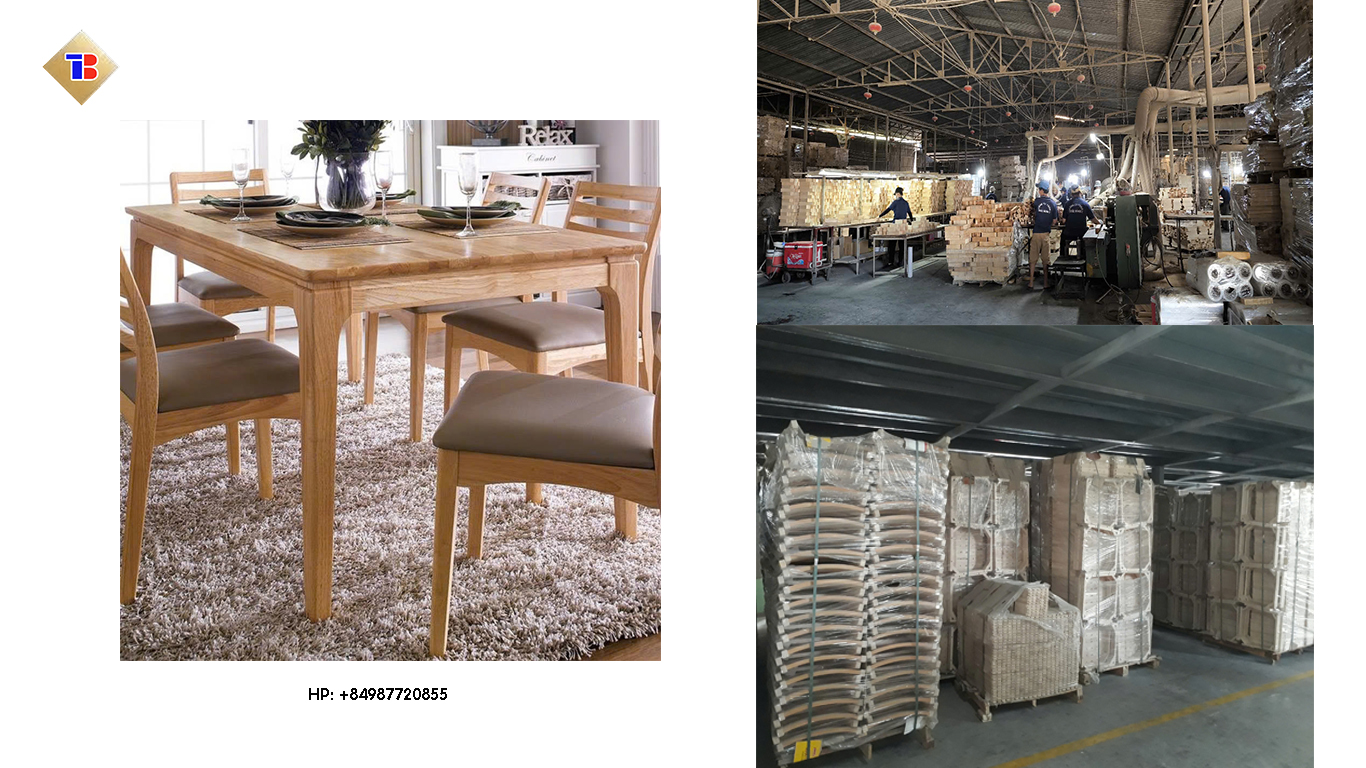
- Aesthetic Appeal Rubberwood features a light, creamy color with a fine grain, making it a versatile material that complements various interior design styles. It can also be stained or painted to suit individual preferences.
- Affordability Since rubberwood is a byproduct of the latex industry, it is often more affordable than other hardwoods. This accessibility makes sustainable choices attainable for a broader audience.
- Low Waste Production The furniture manufacturing process for rubberwood generates minimal waste. Even the sawdust and wood shavings can be repurposed into products like particleboard or fuel, reducing the environmental footprint.
Environmental Impact of Rubberwood Furniture
- Reduction in Deforestation The furniture industry has historically relied on hardwoods from old-growth forests, leading to significant deforestation and habitat destruction. By choosing rubberwood, consumers help decrease the demand for non-renewable timber sources.
- Carbon Sequestration Rubberwood trees store carbon dioxide during their growth phase. Even after being harvested and transformed into furniture, the carbon remains sequestered within the wood, reducing greenhouse gas levels in the atmosphere.
- Minimized Landfill Waste Discarded rubber trees used to be burned or left to decay, releasing carbon back into the atmosphere. Utilizing this wood for furniture prevents such emissions and maximizes resource efficiency.
- Support for Agroforestry Rubber plantations are an example of agroforestry, where trees are integrated into agricultural landscapes. This practice supports biodiversity and provides farmers with an additional income stream through timber sales.
Rubberwood vs. Traditional Hardwoods
Rubberwood offers several advantages over traditional hardwoods like oak, mahogany, and teak:
- Renewability: Rubberwood comes from a managed, renewable source, while many hardwoods are harvested from ancient forests with limited regrowth potential.
- Cost: Rubberwood is more affordable due to its abundance and secondary role in the latex industry.
- Sustainability: Traditional hardwoods often involve higher environmental costs, including transportation from remote forests and more intensive processing.
How to Care for Rubberwood Furniture
To ensure your rubberwood furniture remains beautiful and functional for years to come, follow these care tips:
- Regular Cleaning: Use a soft, damp cloth to wipe the surface, followed by a dry cloth to remove moisture.
- Avoid Direct Sunlight: Prolonged exposure to sunlight can cause fading or discoloration.
- Use Protective Pads: Place pads under heavy objects to prevent dents or scratches.
- Maintain Humidity Levels: Rubberwood is sensitive to extreme humidity changes. Keeping indoor humidity stable helps prevent warping.
Supporting Global Efforts to Protect Forests
The adoption of rubberwood furniture aligns with global initiatives aimed at reducing deforestation and promoting sustainable resource use. Organizations like the Forest Stewardship Council (FSC) certify rubberwood products that meet strict environmental and social standards. By purchasing FSC-certified furniture, you can ensure that your choices support ethical and sustainable practices.
Economic and Social Benefits
- Empowering Local Communities Rubberwood production often takes place in developing countries, providing employment and boosting local economies. By supporting this industry, you contribute to the livelihoods of farmers and artisans.
- Encouraging Sustainable Practices The demand for rubberwood furniture incentivizes sustainable plantation management and responsible harvesting practices.
- Reducing Dependence on Virgin Forests As rubberwood becomes a more popular choice, it reduces the pressure on virgin forests, allowing them to recover and thrive.
Tips for Choosing Rubberwood Furniture
- Check Certifications: Look for FSC or similar certifications to ensure the wood was sourced sustainably.
- Inspect Quality: Ensure the furniture has a smooth finish and is free from defects.
- Ask About Treatments: Rubberwood should be treated to resist pests and improve longevity.
- Prioritize Local Manufacturers: Supporting local artisans reduces transportation emissions and strengthens regional economies.
Rubberwood Furniture: A Stylish and Responsible Choice
Rubberwood furniture is more than just an eco-friendly option; it is a testament to how sustainability and style can coexist. Whether you’re furnishing a home or office, rubberwood offers a durable, attractive, and environmentally conscious alternative to traditional hardwoods.
By choosing rubberwood furniture, you’re not only enhancing your living spaces but also contributing to the global effort to protect forests. Each purchase is a step toward reducing deforestation, supporting local communities, and promoting sustainable practices. As consumers, our choices hold the power to shape industries and safeguard the planet for future generations. Let’s embrace the opportunity to make a difference—one piece of furniture at a time.