
When furnishing a home for your family, safety and sustainability are two critical factors to consider. Rubberwood furniture checks both boxes, making it an excellent choice for households with children. Known for its eco-friendliness, durability, and non-toxic properties, rubberwood furniture is rapidly becoming a favorite among conscientious parents. In this article, we explore why rubberwood furniture is safe for children and how it contributes to a sustainable lifestyle.
What Is Rubberwood?
Rubberwood, derived from the Hevea brasiliensis tree (commonly known as the rubber tree), is a type of hardwood primarily grown for latex production. After about 25-30 years, when the tree’s latex yield declines, it is harvested for its wood. This dual-purpose use makes rubberwood one of the most sustainable materials available for furniture manufacturing. Instead of wasting the trees after their latex-producing phase, their wood is repurposed, minimizing environmental impact.
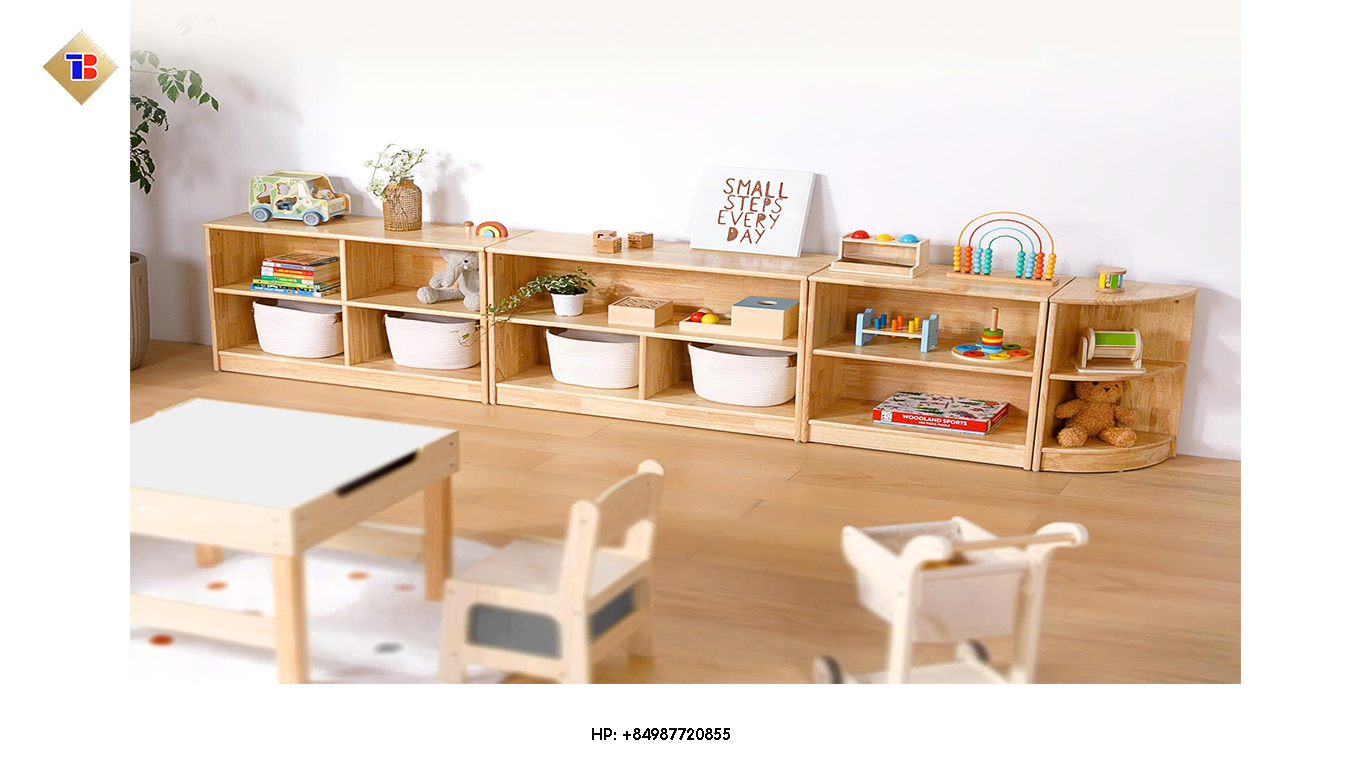
Why Rubberwood Furniture Is Safe for Children
- Non-Toxic Properties Rubberwood furniture is often treated with non-toxic finishes, making it safe for children who may come into direct contact with it. Many manufacturers prioritize using water-based paints and low-VOC (volatile organic compound) finishes, ensuring that the furniture does not emit harmful chemicals into your home.
- Hypoallergenic Qualities Unlike some woods that can trigger allergies due to the presence of resins or specific tree-derived compounds, rubberwood is generally hypoallergenic. This characteristic makes it a suitable choice for households with children prone to allergies or asthma.
- Durability and Sturdiness Children are naturally curious and often rough on furniture. Rubberwood’s inherent strength and resistance to warping ensure that it can withstand daily wear and tear. Its robust nature makes it an excellent material for high-use items such as cribs, beds, and tables.
- Smooth Surface Finish Rubberwood’s fine grain allows for a smooth finish, reducing the risk of splinters—a crucial safety aspect for furniture in a child-friendly home. This smooth surface also makes cleaning spills and messes easier, a bonus for busy parents.
- Naturally Resistant to Pests Rubberwood possesses natural resistance to pests like termites, reducing the need for chemical treatments that could be harmful to children. Some manufacturers further enhance this resistance with safe, eco-friendly treatments.
Environmental Benefits of Rubberwood Furniture
- Sustainable Resource Rubberwood is a byproduct of the latex industry, meaning no additional trees are cut solely for furniture production. This practice significantly reduces deforestation and promotes sustainable forestry.
- Carbon Storage Even after the wood is harvested and turned into furniture, it continues to store carbon dioxide, contributing to a lower carbon footprint for your home.
- Minimal Waste The furniture production process for rubberwood generates minimal waste. Offcuts and sawdust are often repurposed into products like particleboard or biomass fuel, ensuring efficient use of resources.
Rubberwood Furniture in a Child’s Room
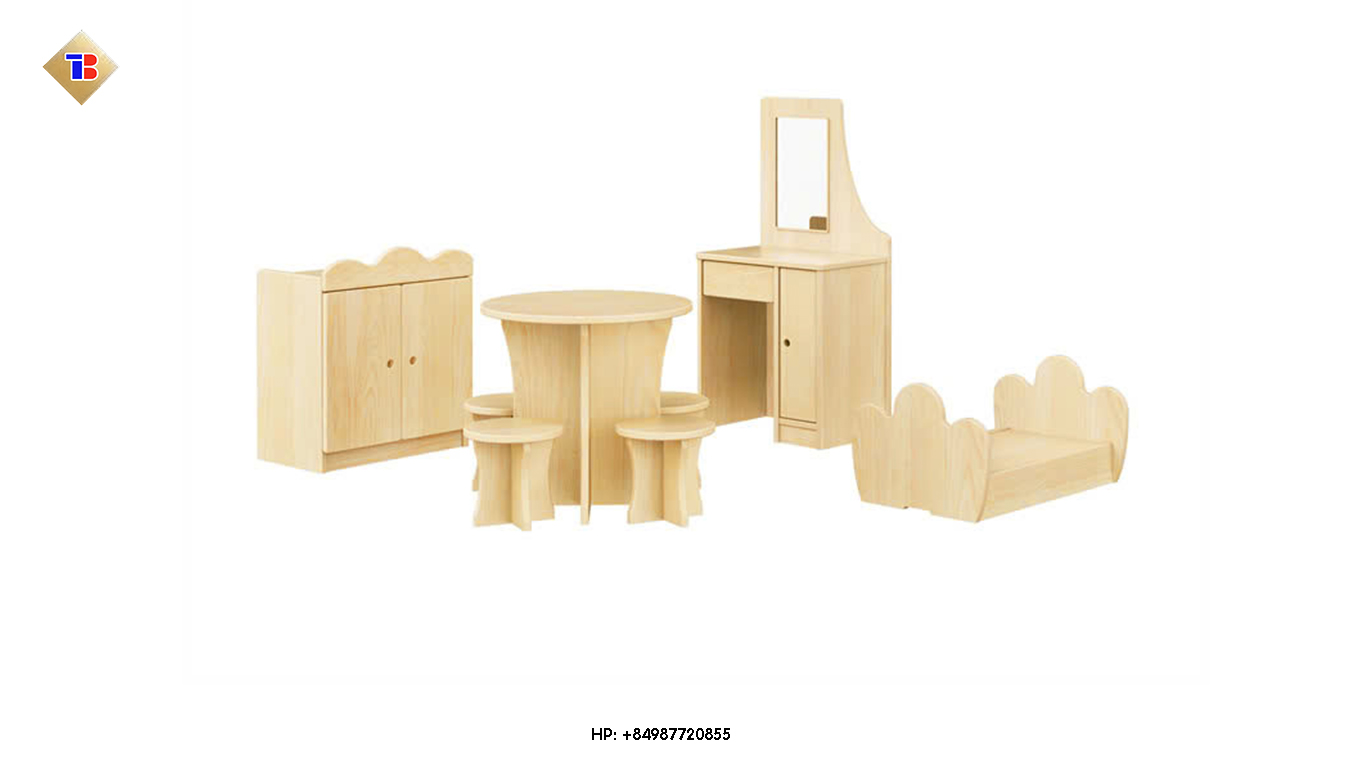
- Cribs and Beds Rubberwood cribs and toddler beds provide a safe, sturdy, and comfortable sleeping environment for children. The hypoallergenic and non-toxic qualities ensure that your child’s exposure to harmful chemicals is minimized.
- Desks and Chairs As children grow, they need dedicated spaces for studying and creative activities. Rubberwood desks and chairs offer durability and a smooth surface ideal for writing, drawing, and crafting.
- Storage Solutions Rubberwood toy chests, bookshelves, and storage units are both practical and stylish. They can withstand the rough handling typical of children while keeping their belongings organized and accessible.
Caring for Rubberwood Furniture
Proper maintenance ensures the longevity and safety of rubberwood furniture. Here are some tips:
- Regular Cleaning: Wipe down surfaces with a soft, damp cloth and dry them immediately to prevent moisture absorption.
- Avoid Harsh Chemicals: Use mild, non-toxic cleaning solutions to maintain the finish and ensure the safety of your children.
- Protect from Extreme Conditions: Rubberwood can be sensitive to extreme humidity or temperature changes, so avoid placing furniture near radiators or in damp areas.
- Inspect for Damage: Periodically check for loose joints or damaged parts to prevent accidents.
Certifications to Look For
When purchasing rubberwood furniture, look for certifications that indicate safety and sustainability:
- Forest Stewardship Council (FSC): Ensures the wood is sourced from responsibly managed forests.
- Greenguard Certification: Indicates that the furniture meets strict chemical emissions standards, contributing to healthier indoor air quality.
- EN 71-3 Compliance: Often required for children’s toys and furniture, this standard ensures that materials are safe for use by children.
Rubberwood vs. Other Materials for Children’s Furniture
- Rubberwood vs. Particleboard
- Safety: Rubberwood is naturally durable and requires fewer adhesives, unlike particleboard, which may contain formaldehyde.
- Durability: Rubberwood lasts longer, making it a more economical and eco-friendly choice over time.
- Rubberwood vs. Plastic
- Eco-Friendliness: Rubberwood is biodegradable, while plastic contributes to long-term environmental pollution.
- Aesthetics: Rubberwood furniture offers a timeless look, unlike plastic, which often appears less sophisticated.
- Rubberwood vs. Pine
- Strength: Rubberwood is denser and more resistant to dents and scratches compared to pine.
- Sustainability: Both are sustainable, but rubberwood’s dual-purpose lifecycle gives it an edge.
Economic and Social Benefits
Choosing rubberwood furniture supports:
- Local Economies: Many rubberwood products are made in countries where rubber trees are cultivated, providing livelihoods for local communities.
- Sustainable Industries: Supporting rubberwood furniture encourages manufacturers to prioritize sustainable practices.
- Affordable Quality: Rubberwood’s affordability allows families to invest in high-quality, safe furniture without breaking the bank.
Popular Rubberwood Furniture Brands
Several brands specialize in producing high-quality rubberwood furniture. When shopping, prioritize manufacturers that emphasize safety, sustainability, and craftsmanship.
Conclusion
Rubberwood furniture is an excellent choice for parents seeking safe, durable, and eco-friendly options for their children’s spaces. Its non-toxic properties, affordability, and sustainability make it stand out in a market flooded with less responsible alternatives. By investing in rubberwood furniture, you’re not only ensuring your child’s safety and comfort but also contributing to a healthier planet for future generations.
When furnishing your home, remember that every choice matters. Rubberwood furniture allows you to create a safe, stylish, and sustainable environment for your children to thrive. Choose wisely, and enjoy the peace of mind that comes with making a responsible decision.